Understanding the Remarkable Chemistry of Dental Bonding
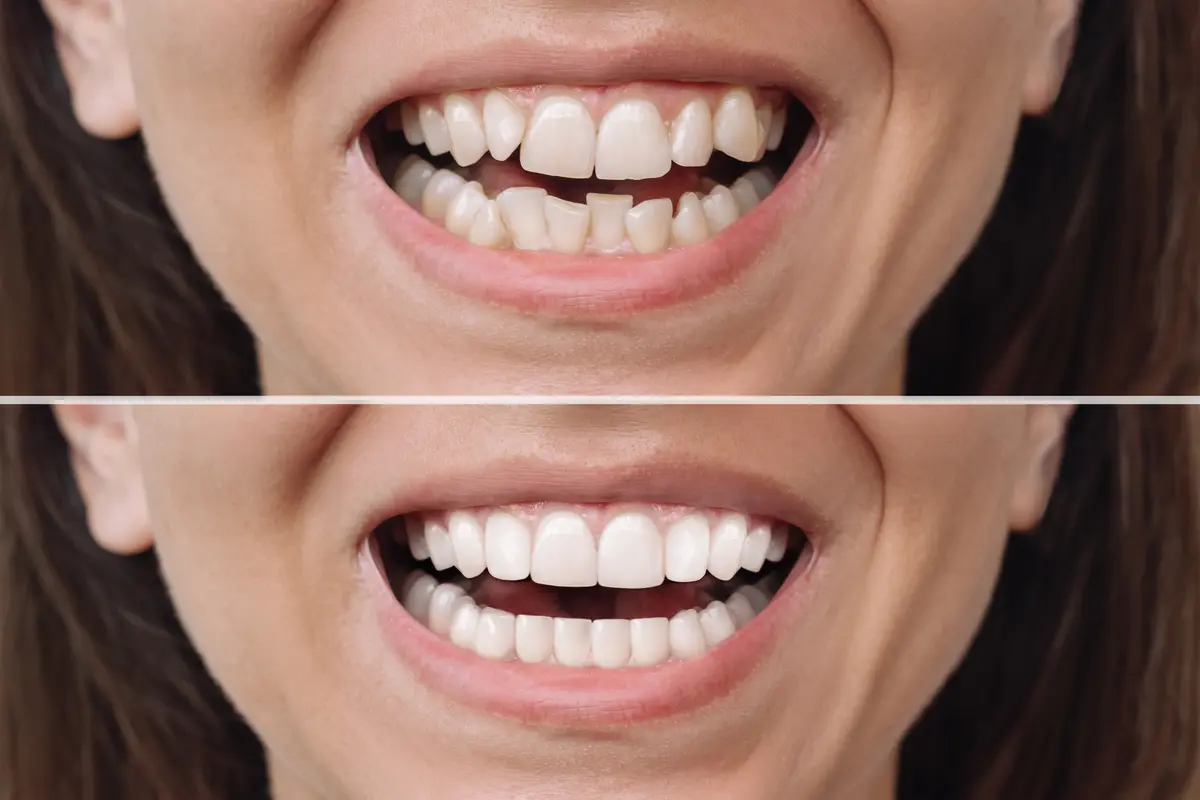
The ability to seamlessly bond composite materials to natural tooth structure represents one of modern dentistry’s most significant achievements. What might appear as a straightforward cosmetic procedure actually involves a fascinating interplay of chemistry, physics, and biology. When patients seek treatments such as composite bonding Bournemouth practitioners offer, they’re benefiting from decades of scientific research into adhesive dentistry. The process by which composite resin forms a lasting connection with tooth enamel is far more complex than simply applying a sticky substance to a tooth surface.
At its core, the bonding process relies on creating microscopic mechanical interlocking between two very different materials: the inorganic crystalline structure of enamel and the organic polymer matrix of composite resin. This union must withstand the considerable forces of mastication, temperature fluctuations, and the constant presence of saliva. Understanding how this bond forms and maintains its integrity provides insight into why modern cosmetic dentistry can deliver such durable and aesthetically pleasing results.
The Unique Structure of Tooth Enamel
Tooth enamel stands as the hardest substance in the human body, composed of approximately 96% hydroxyapatite crystals arranged in tightly packed rods. These enamel rods, or prisms, extend from the dentino-enamel junction to the tooth surface, creating a highly organised crystalline structure. The remaining 4% consists of water and organic material, which plays a crucial role in the bonding process. This crystalline architecture presents both opportunities and challenges for adhesive procedures.
The dense, non-porous nature of intact enamel means that composite resin cannot simply penetrate and grip the surface naturally. Instead, dental professionals must deliberately alter the enamel surface to create retention sites. This modification process transforms the smooth, impervious enamel into a microscopically roughened landscape capable of mechanical interlocking with resin materials. Research into dental adhesive systems has continually refined the understanding of how best to prepare enamel surfaces for optimal bonding.
The Acid-Etching Revolution
Creating Microscopic Retention
The breakthrough that enabled reliable enamel bonding came with the introduction of acid-etching techniques in the 1950s. By applying phosphoric acid to the enamel surface, practitioners discovered they could selectively dissolve the mineral content, creating microscopic irregularities that dramatically increased surface area and retention potential.
The Etching Process Explained
When phosphoric acid contacts enamel, it preferentially dissolves either the cores or peripheries of the enamel prisms, depending on their orientation. This selective dissolution creates a honeycomb-like pattern of microporosities, typically ranging from 5 to 50 micrometres in depth. The etched surface appears chalky white and significantly increases the surface energy of the enamel, making it more receptive to the liquid resin that will follow. This transformation from a smooth, glossy surface to a microscopically rough one is fundamental to achieving a strong mechanical bond.
The duration and concentration of acid application must be carefully controlled to achieve optimal results without causing excessive enamel loss. Typically, a 30-37% phosphoric acid gel is applied for 15-30 seconds, creating sufficient microporosity whilst preserving enamel integrity. After thorough rinsing and careful drying, the etched enamel is ready to receive the bonding agent and composite resin.
The Role of Bonding Agents and Composite Chemistry
Following etching, a bonding agent serves as an intermediary layer between the hydrophilic enamel and the hydrophobic composite resin. These adhesives are typically low-viscosity resins that can flow into the microscopic irregularities created by etching. Once the bonding agent penetrates these spaces and polymerises, it forms resin tags that mechanically lock the composite to the tooth structure. Detailed studies on bonding to enamel and dentine demonstrate that this micromechanical retention provides bond strengths ranging from 20 to 30 megapascals.
The composite resin itself consists of an organic polymer matrix reinforced with inorganic filler particles. Modern formulations have been engineered to minimise polymerisation shrinkage, which could compromise the bond, whilst maximising strength and aesthetic properties. The light-curing process triggers a chemical reaction that transforms the malleable paste into a hardened restoration that functions as an extension of the natural tooth.
The Future of Adhesive Dentistry
The science behind composite bonding continues to evolve, with researchers exploring biomimetic materials and self-etching systems that simplify procedures whilst maintaining bond strength. Understanding the advantages and limitations of composite bonding helps patients make informed decisions about their dental care. As materials science advances, the already impressive capabilities of adhesive dentistry will only improve, offering even more durable and natural-looking results for those seeking to enhance their smiles through conservative, tooth-preserving treatments.
About the Author