Understanding the Evolution of Orthodontic Treatment
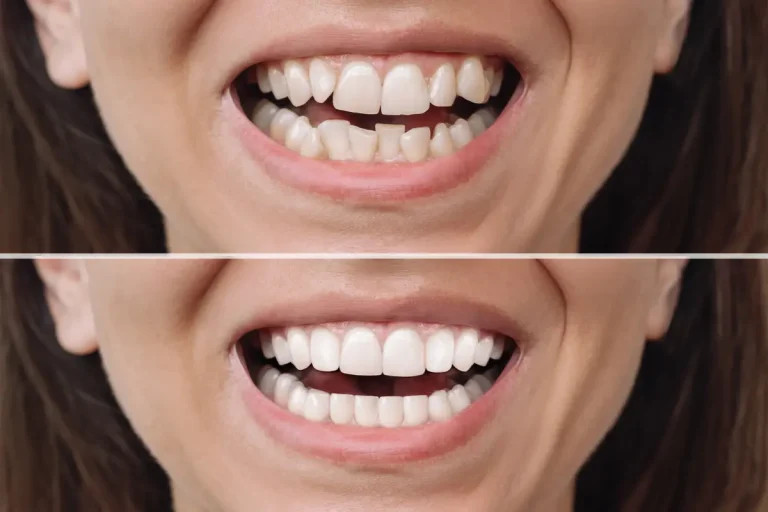
The landscape of orthodontic treatment has transformed dramatically over the past two decades, with clear aligner technology revolutionising the way dental professionals approach teeth straightening. Patients seeking orthodontic solutions are increasingly curious about treatment duration, particularly when comparing modern alternatives to conventional metal braces. The question of whether clear aligners genuinely offer a faster route to a perfect smile has become a topic of considerable interest within the dental community and amongst prospective patients alike.
Orthodontic treatment time depends on numerous factors, including the complexity of the case, patient compliance, and the specific technique employed. Traditional braces have long been considered the gold standard for correcting misaligned teeth, yet technological advancements have introduced compelling alternatives that challenge this conventional wisdom. Understanding the mechanisms behind treatment duration requires a closer examination of how different orthodontic systems function and the variables that influence their effectiveness.
The Mechanics Behind Clear Aligner Efficiency
Clear aligner systems operate on principles that differ fundamentally from traditional bracket-and-wire orthodontics. Rather than applying continuous pressure through metal components, aligners utilise a series of custom-made, removable trays that gradually shift teeth into their desired positions. Each aligner in the sequence is designed to move teeth incrementally, with patients typically changing to a new set every one to two weeks. This methodical approach allows for precise control over tooth movement, potentially streamlining the overall treatment process.
Digital Planning and Predictable Outcomes
One of the most significant advantages of modern clear aligner treatment lies in its sophisticated digital planning capabilities. Orthodontists utilise advanced three-dimensional scanning technology to create a comprehensive digital model of a patient’s dentition. This digital blueprint enables practitioners to map out the entire treatment journey before it even begins, identifying the most efficient path to achieve the desired results. For those considering Invisalign Tunbridge Wells practices offer access to this cutting-edge planning technology, which can contribute to more streamlined treatment timelines.
Reduced Adjustment Appointments
Traditional braces typically require monthly adjustment appointments, during which an orthodontist tightens wires and makes necessary modifications to the appliance. These visits are essential for maintaining treatment progress but can extend the overall duration if appointments are missed or rescheduled. Clear aligner systems, conversely, often require fewer in-person visits, as patients receive multiple sets of aligners at once and progress through them independently at home.
Examining the Evidence on Treatment Duration
The scientific community has conducted extensive research comparing treatment times between clear aligners and traditional braces, yielding insights that challenge some common assumptions. Studies examining treatment duration between different orthodontic methods have produced varied results, suggesting that the relationship between appliance type and treatment time is more nuanced than many patients might expect. The complexity of individual cases plays a crucial role in determining how quickly teeth can be moved safely and effectively.
Research published in peer-reviewed dental journals examining aligner effectiveness has demonstrated that clear aligners can be highly effective for mild to moderate orthodontic cases. However, the evidence also indicates that treatment duration is heavily influenced by patient compliance, as aligners must be worn for 20 to 22 hours daily to achieve optimal results. This requirement places significant responsibility on the patient, contrasting with traditional braces that work continuously regardless of patient behaviour.
The Compliance Factor
Patient adherence to treatment protocols represents perhaps the most critical variable affecting clear aligner treatment duration. Unlike fixed braces, removable aligners depend entirely on patient discipline. Those who consistently wear their aligners as prescribed often experience efficient treatment progression, whilst those who frequently remove them may encounter delays. Interestingly, randomised controlled trials comparing braces to clear aligners have shown that traditional braces sometimes prove faster in certain scenarios, particularly when patient compliance with aligner wear is suboptimal.
Achieving Optimal Results Through Modern Orthodontics
The question of whether clear aligners reduce treatment time compared to traditional braces cannot be answered with a simple yes or no. For motivated patients with mild to moderate orthodontic concerns, clear aligner systems can indeed offer efficient treatment timelines, sometimes comparable to or faster than conventional braces. The advanced digital planning, reduced appointment frequency, and precise tooth movement control all contribute to streamlined treatment when used appropriately.
Ultimately, the most effective orthodontic approach depends on individual circumstances, including the specific nature of dental misalignment, patient lifestyle, and commitment to treatment protocols. Consulting with experienced orthodontic professionals remains essential for determining which treatment modality will deliver optimal results within a reasonable timeframe for each unique case.
About the Author