Understanding the Science Behind Your Bite
The human bite represents a remarkable feat of biomechanical engineering, with forces distributed across teeth in patterns that most people never consciously consider. When orthodontic treatment with an orthodontist in London or elsewhere enters the picture, these patterns undergo a significant transformation, affecting not only the aesthetics of one’s smile but also the fundamental mechanics of how teeth interact during chewing. The relationship between tooth alignment and bite pressure distribution remains one of the most fascinating aspects of dental science, with implications that extend far beyond mere appearance.
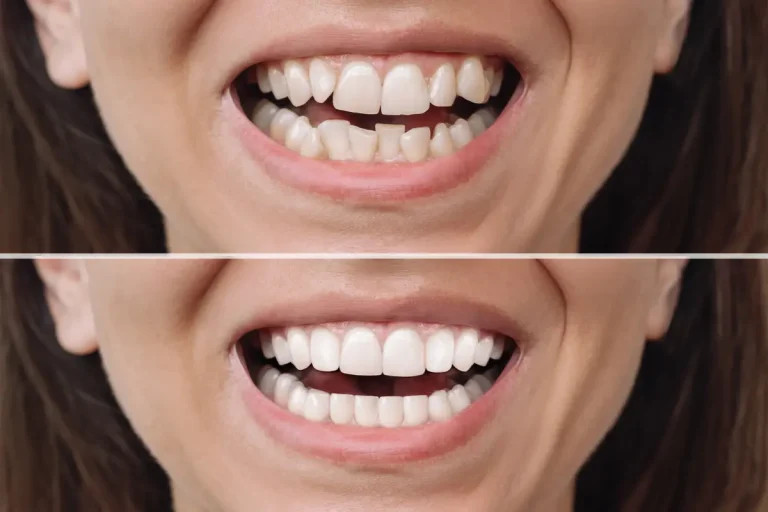
Orthodontic intervention fundamentally alters the way forces travel through the dental arch. Before treatment, misaligned teeth often create uneven pressure points, with certain teeth bearing disproportionate loads whilst others remain underutilised. This imbalance can lead to accelerated wear on specific teeth, jaw discomfort, and reduced chewing efficiency. Research into occlusal bite force distribution patterns has revealed the extent to which malocclusion compromises optimal dental function.
The Transformation Process During Treatment
As orthodontic appliances gradually reposition teeth, patients experience a transitional period where bite pressure distribution remains in flux. This phase requires adaptation, as the neuromuscular system learns to accommodate new tooth positions. Initially, chewing efficiency may temporarily decrease as the brain recalibrates its understanding of where teeth meet and how much force to apply during mastication. An experienced orthodontist will monitor these changes carefully, ensuring that treatment progresses in a manner that minimises disruption to daily function.
Changes in Force Distribution Patterns
Throughout the course of treatment, the distribution of bite forces evolves systematically. Teeth that previously bore excessive loads begin to share responsibilities more equitably with their neighbours. This redistribution serves multiple purposes: it protects individual teeth from premature wear, reduces strain on the temporomandibular joint, and creates conditions for more efficient food breakdown. The posterior teeth, particularly the molars, gradually assume their proper role as the primary grinding surfaces, whilst anterior teeth guide jaw movements without bearing inappropriate crushing forces.
Muscular Adaptation and Coordination
The muscles of mastication undergo their own adaptation process during orthodontic treatment. As teeth move into improved positions, the masseter, temporalis, and pterygoid muscles must recalibrate their firing patterns to accommodate the new dental landscape. This neuromuscular reorganisation typically occurs subconsciously, though patients may notice subtle differences in how their jaw feels during chewing. The body’s remarkable ability to adapt ensures that these adjustments occur smoothly, ultimately resulting in more coordinated and efficient chewing movements once treatment concludes.
Post-Treatment Benefits for Chewing Function
Upon completion of orthodontic treatment, patients typically experience measurable improvements in chewing efficiency. Properly aligned teeth create optimal contact points that facilitate effective food breakdown with less effort. Studies examining masticatory performance following orthodontic correction have demonstrated significant enhancements in patients’ ability to process various food textures. This improved efficiency translates to better digestion, as food enters the gastrointestinal system in a more thoroughly processed state.
The long-term advantages extend beyond mere function. Balanced bite pressure distribution reduces the risk of developing conditions such as temporomandibular joint disorder, tooth fractures, and excessive enamel wear. Research into long-term outcomes of orthodontic treatment consistently shows that patients maintain better oral health when bite forces distribute evenly across the dental arch. This protective effect can preserve natural dentition for decades, reducing the need for restorative interventions later in life.
The Journey Towards Optimal Dental Function
Orthodontic treatment represents an investment in both form and function, with benefits that compound over time. Whilst the aesthetic improvements often motivate patients to seek treatment initially, the biomechanical advantages prove equally valuable. The transformation of bite pressure distribution and enhancement of chewing efficiency contribute to overall quality of life in ways that extend far beyond the dental chair. As teeth settle into their corrected positions and the supporting structures adapt, patients discover that orthodontic treatment has provided them with a foundation for lifelong oral health and comfort, making every meal a more pleasant and efficient experience.
About the Author